A single-origin coffee is one where you can say where it grew, at what altitude, from which variety and with which process. It is not a quality label or a seal somebody awards: it is a chain of facts that can be checked, link by link, back to one specific farm.
The opposite has a name too: commodity coffee. It is bought by volume, blended with coffee from hundreds of farms and sold on price. It is not necessarily bad. It is simply no longer possible to know where it came from, because at some point in the chain that information stopped mattering and was lost.
What you know about a single origin, and what you don't about the rest
| Fact | Single origin | Commodity |
|---|---|---|
| Farm | it has a name | hundreds, blended |
| Altitude | a number | a country-wide range |
| Variety | declared | irrelevant |
| Process | declared, with timings | the cheapest available |
| Harvest | one, dated | several, undated |
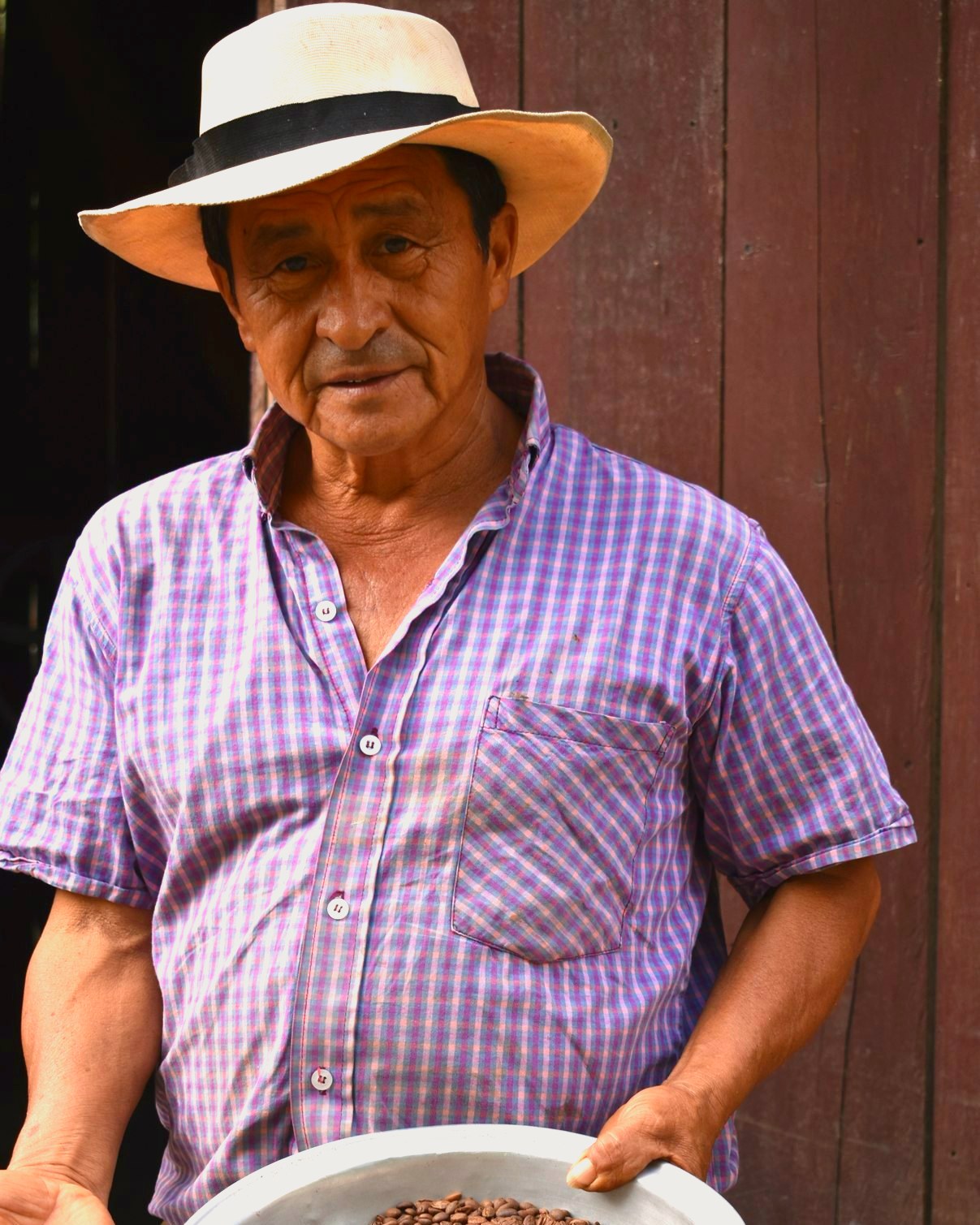
| Who grew it | known | unknown |
The practical difference is not romantic, it is a matter of taste: when those facts exist, they can be repeated. And what can be repeated can be improved. A grower who knows his 80-hour fermentation lot was well received can do 80 hours again. One who hands over his harvest in bulk never gets that information back.
Why origin gets lost along the way
The traditional coffee chain has many hands between the tree and the cup: the person who grows it, who buys it, who hulls it, who roasts it, who packs it, who sells it. Every step adds value and, almost always, erases a little information. At the end of the chain there is a bag that states the country and little else.
A coffee that says «Colombia» is not an origin: Colombia grows coffee at 1,200 metres and at 2,000, across more than twenty departments, with dozens of varieties and climates that have nothing in common. It is like calling a wine «European».
Four questions that separate a real origin from a nice label
- Which farm did it grow on? A proper name, not a region.
- At what altitude? A number in metres above sea level.
- Which process, and how long did it take? Washed, honey or natural, with the hours of fermentation and the days of drying. Without timings, the name of the process says nothing.
- Which harvest is it from? Coffee is a farm product: it ages.
If those four have an answer, there is an origin. If not, there is a bag.
This farm, as an example
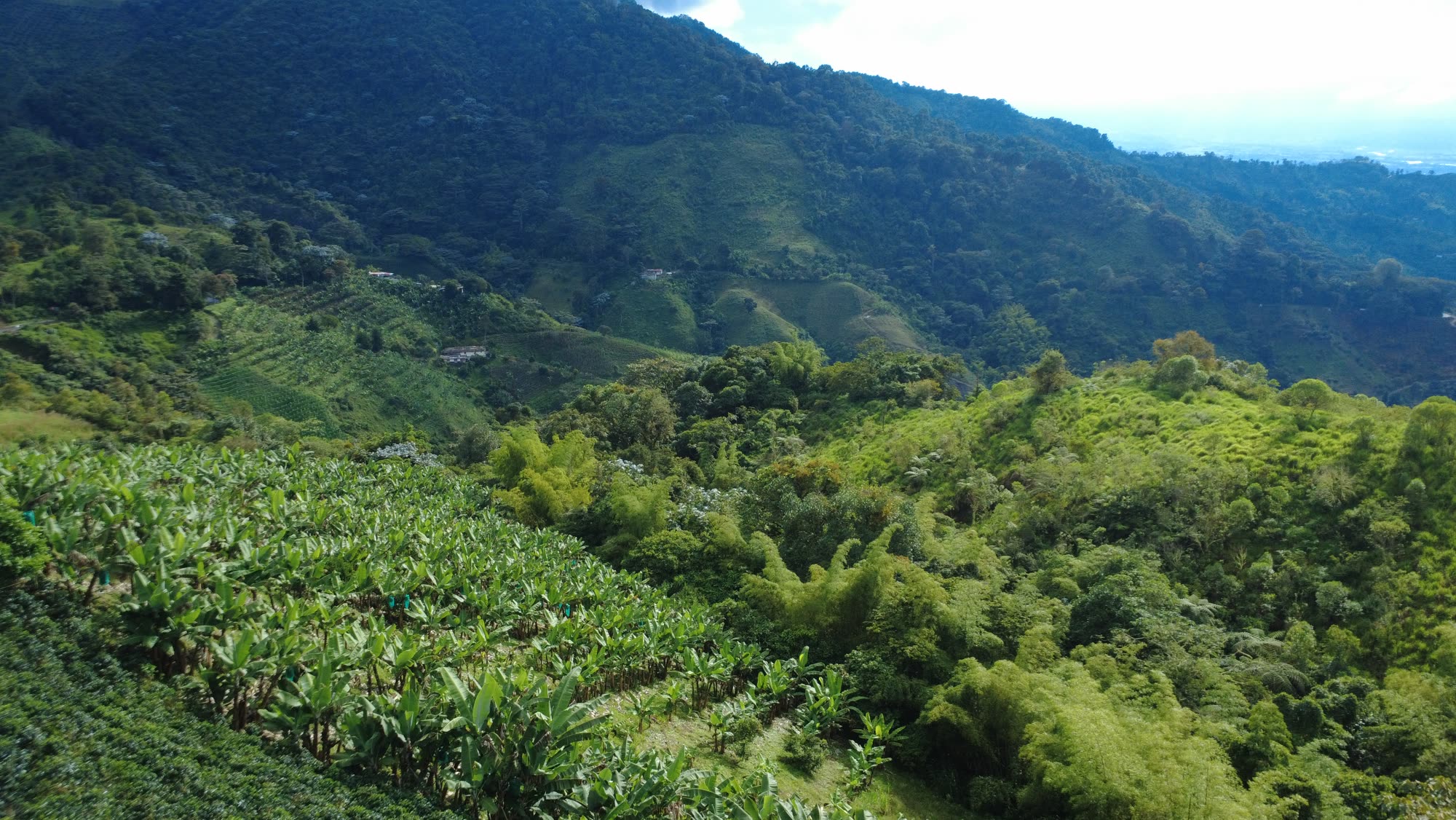
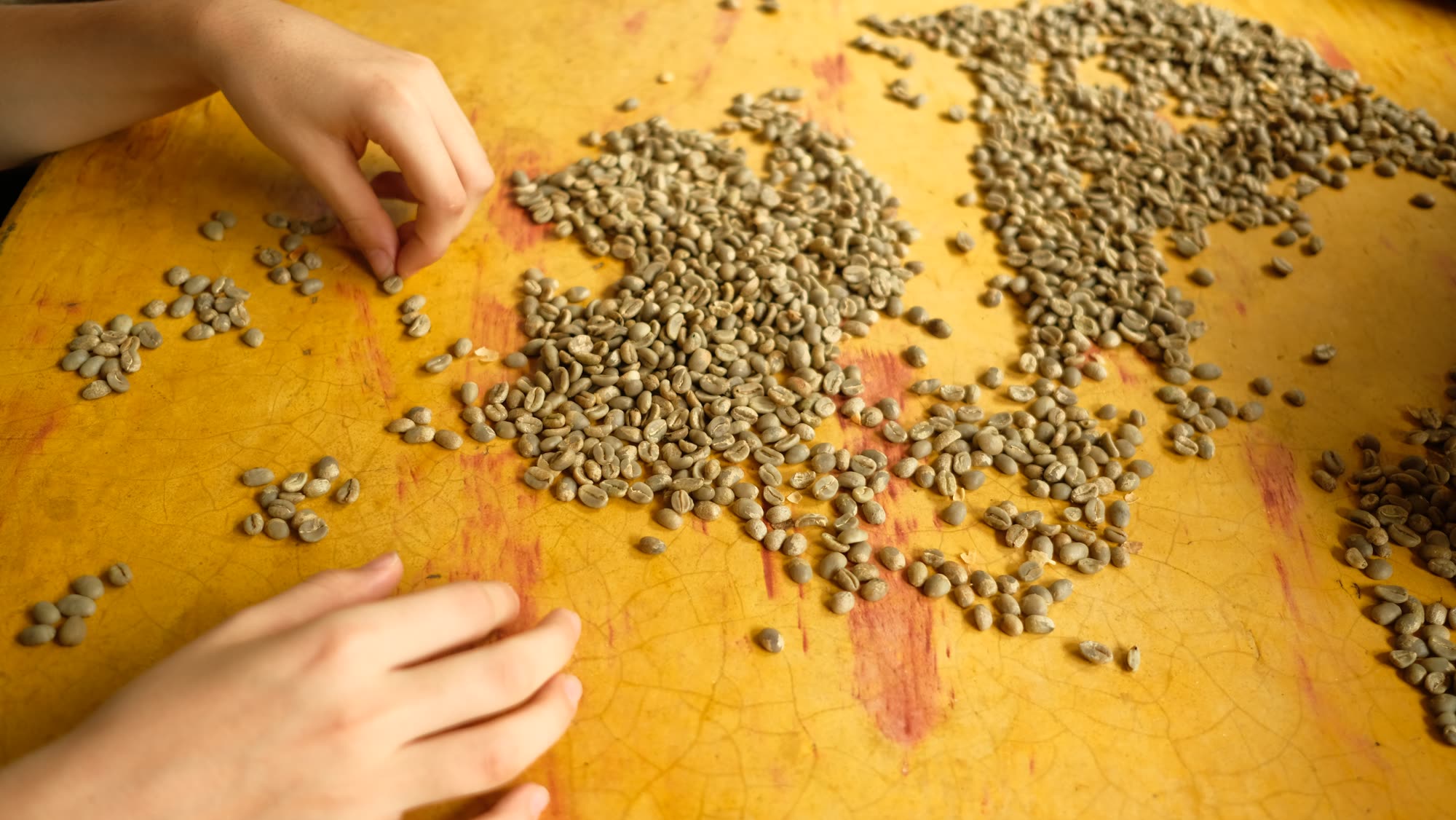
Villa Gloria is in El Verdal, Pijao, Quindío, at 1,550 metres above sea level. It is a long farm that runs from the river up to the top of a mountain, so each lot sits at a slightly different altitude —between 1,300 and 1,700 metres— and that shows in the cup. There are three varieties: Castillo, Papayo and Bourbon. Three processes as well, each with its own timings: washed, honey and natural.
The farm produces around 80 pounds of specialty coffee a month. That is little, and it is deliberate: when a lot is gone, it is gone, and the next one will not taste the same. That is how a farm works.
Origin is not a story told about the coffee. It is the information that survives from the tree to your cup — and usually nothing survives at all.
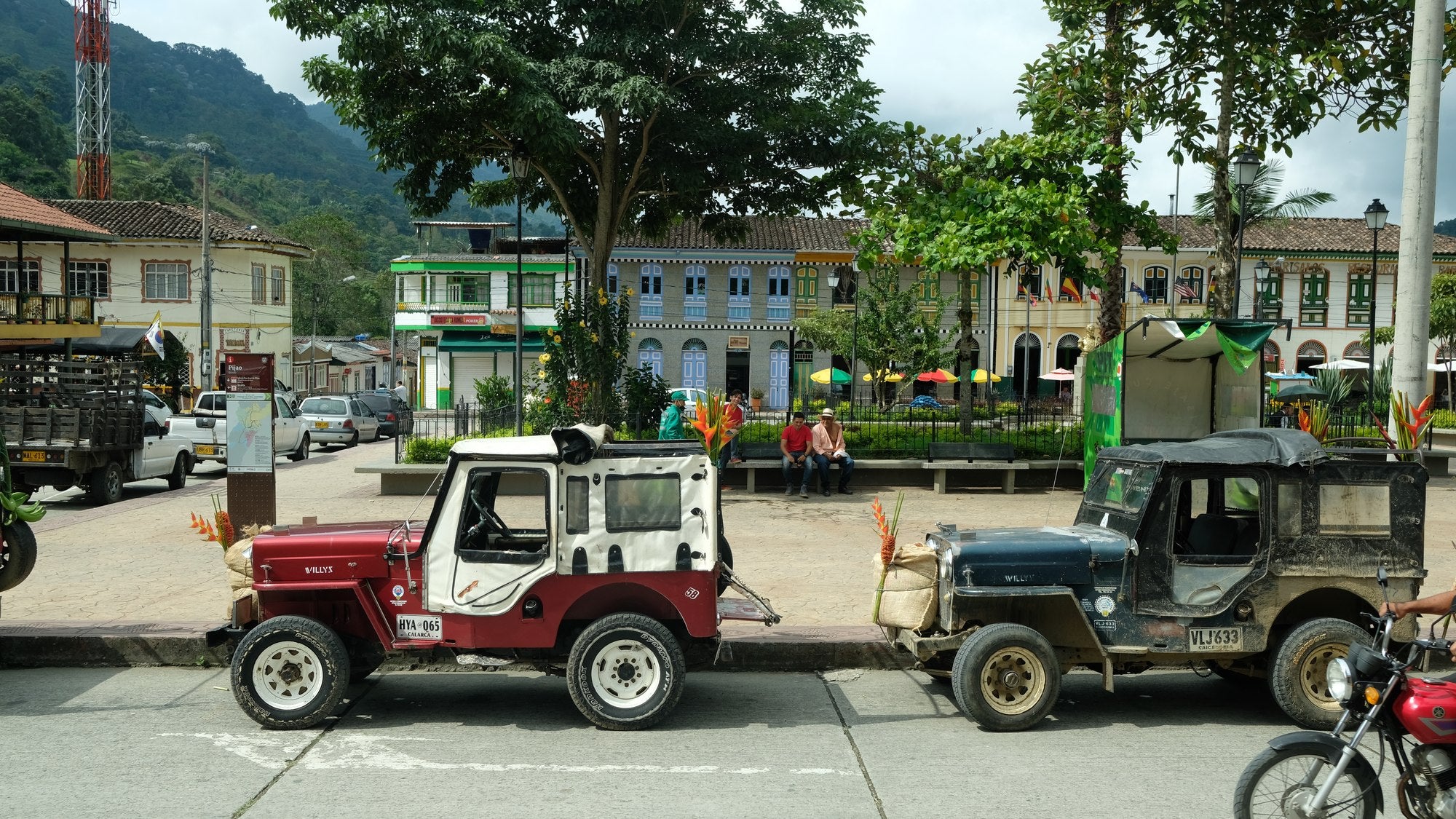
Pijao is part of the Coffee Cultural Landscape of Colombia, a UNESCO World Heritage Site since 2011.