
Pijao · Quindío · Colombia
Seven selections, one family.
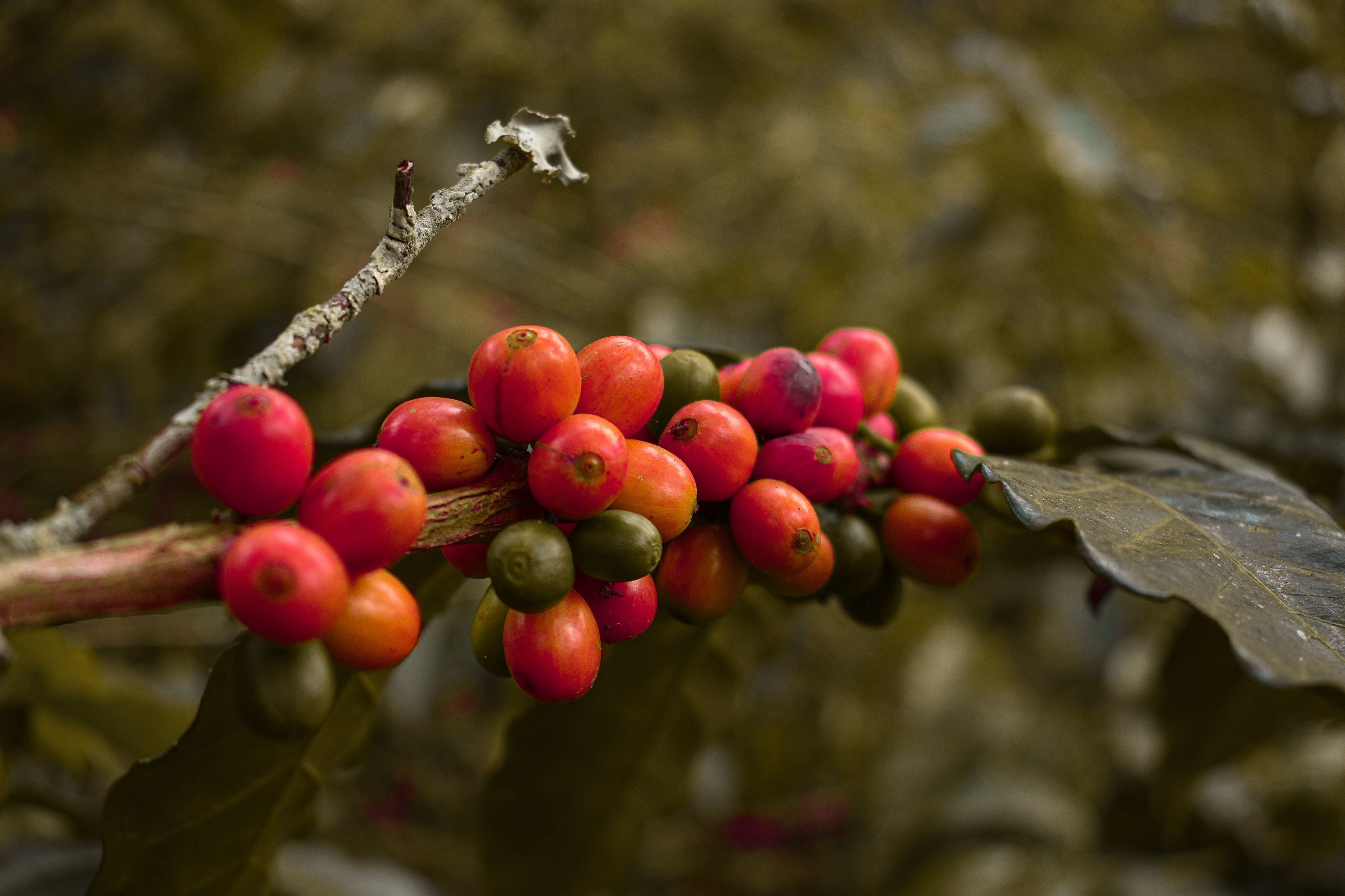
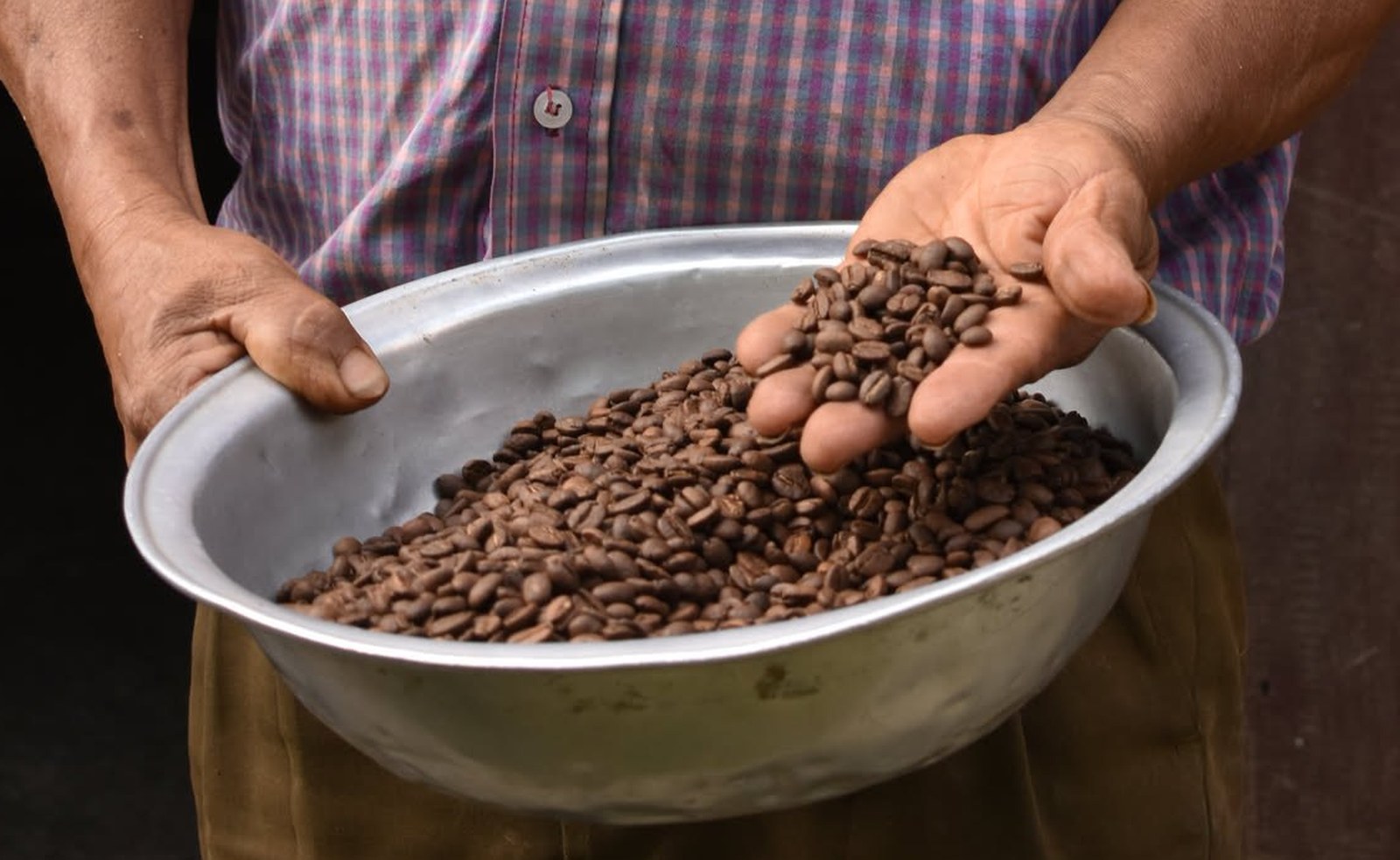
Specialty coffee grown, processed and packed by León Campo and his family. Villa Gloria farm, Pijao, Colombia — 1,550 m above sea level.

“When this farm was bought there was nothing here. We had to start from the seeds.”León Campo · May 2026 · translated from Spanish
What people say about the coffee
«It will give you an unique insight on the process from planting the seeds to drinking your cup and it will change the way you savor it when you drink it.»
Traveller · Tripadvisor
«An absolute must do for coffee lovers, but also for anyone interested in understanding the process or fascinated by organic farming.»
Traveller · Tripadvisor
«You really live the seed to cup experience, with the coffee farmer, the merchant, the passionate barista.»
Customer · review archive
As seen in
- CNN“My Colombia”, 2018 · on camera
- Huck Magazine2019 · interviewed him on his farm
- National Geographic Traveller UK2018 · recommends him
- Renunciamos y Viajamosvisited him at Villa Gloria
Frequently asked questions
Where is this coffee grown?
Who grows it?
Which coffee varieties are these?
What processes do they use?
When is the harvest?
How much coffee do they produce a month?
How is it sold?
What does shipping cost and how long does it take?
Can I return it?
Coming soon to your door — and to shops
We are preparing shipping to the United States and the United Kingdom. The coffee travels from Villa Gloria, in Pijao, and we would rather wait until we can send it well than send it badly. Write to ventas@cafedonleo.com and we will let you know when it is ready.
“It is a welcoming, delicious coffee, where you can taste its qualities and flavours, its pleasant aromas and fragrances, where the processing shows.”
“Where every cup of coffee you drink, you drink unhurried.”
The family, in writing · August 2026 · translated from Spanish
It took him two and a half years to plant it. Today Villa Gloria is a self-sustaining farm and a family business.