
There was nothing here.
He arrived having bought a small farm with no crops on it. It took him two and a half years to plant the coffee. Today Villa Gloria yields three specialty coffees at 1,550 metres, and it is a family business.
From cherry to cup
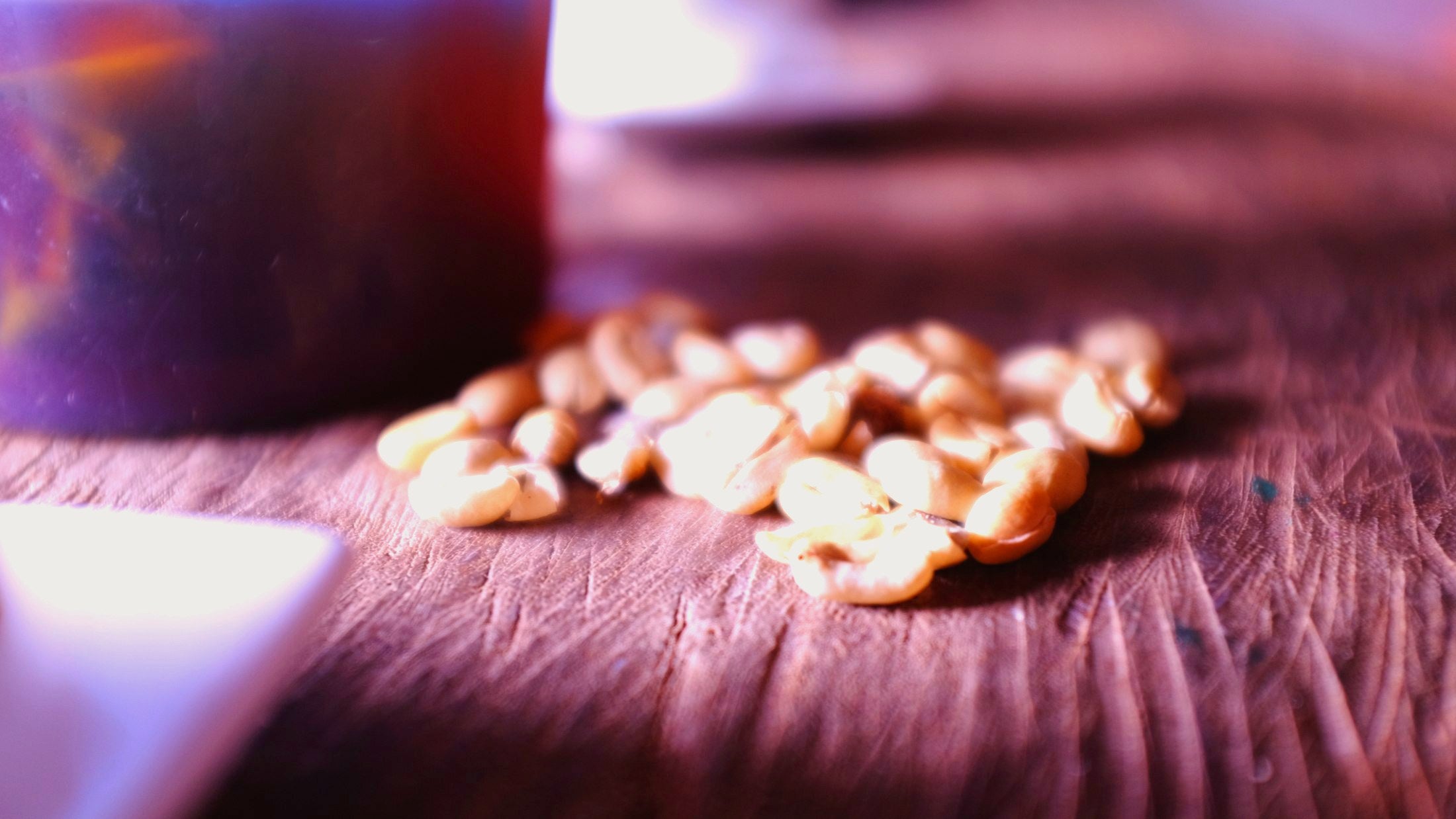
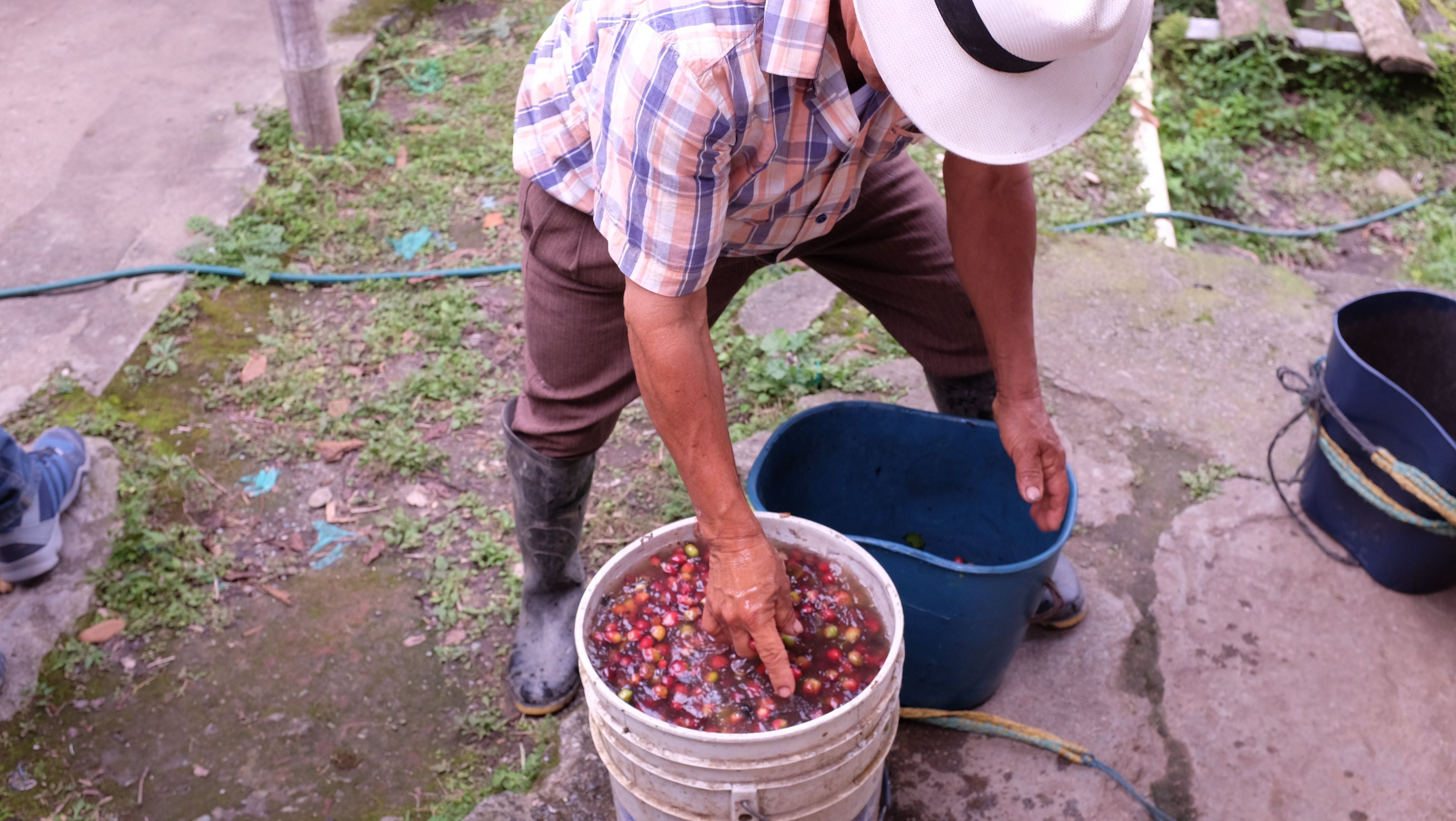
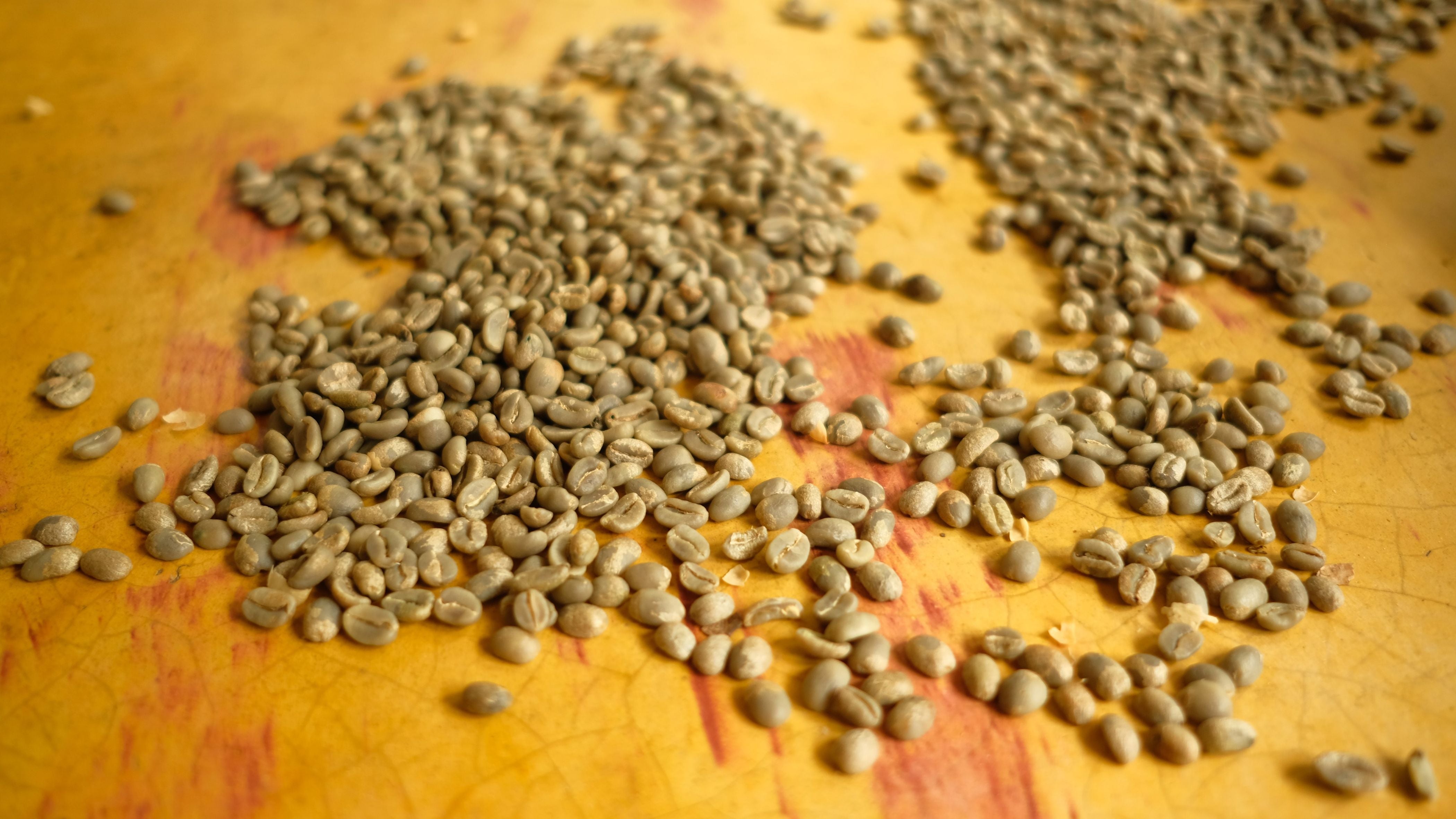
Processing photographs from the Experiencia Cafetera archive in Pijao.
The seven trades
In an ordinary coffee brand there are five different actors behind the bag. Here the answer is one family: León Campo, Ana and their children — four of them, two working the farm. A family business, as they describe it themselves.
The land this coffee comes from


Coffee landscape around Pijao, from the Experiencia Cafetera archive.
No two lots taste the same
Villa Gloria isn't a single flat plot: it climbs from the river to the top of a mountain, between 1,300 and 1,700 metres. That difference in altitude gives every microlot its own character. In official cupping by the SGR/TÚ&YO/CINGTAGRO program, backed by the Quindío government (2021), its samples scored between 82.75 and 84 out of 100 — specialty-coffee territory.
Pijao, the town


The farm sits just outside Pijao, one of the towns of Colombia's Coffee Cultural Landscape. The coffee comes down to town every eight days.
Who else has told this story
CNN, “My Colombia”, 2018 — on camera, among his coffee trees.
Señal Colombia, 2019 — interviewed him on his farm.
Lonely Planet, 2018 — recommends him.